
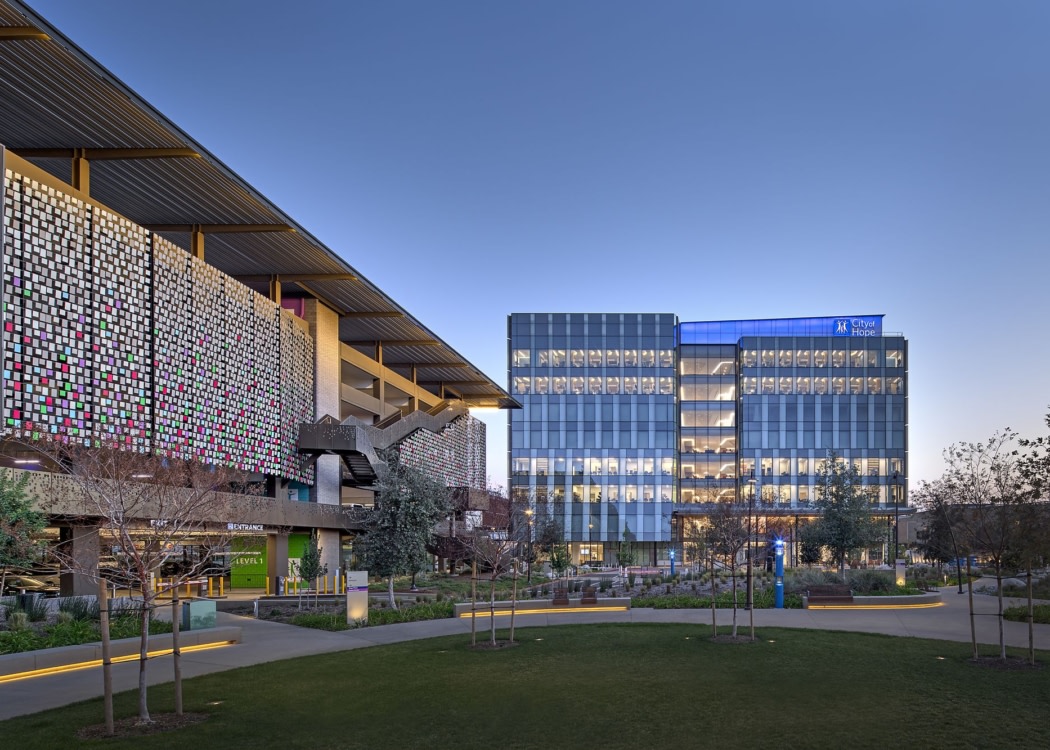
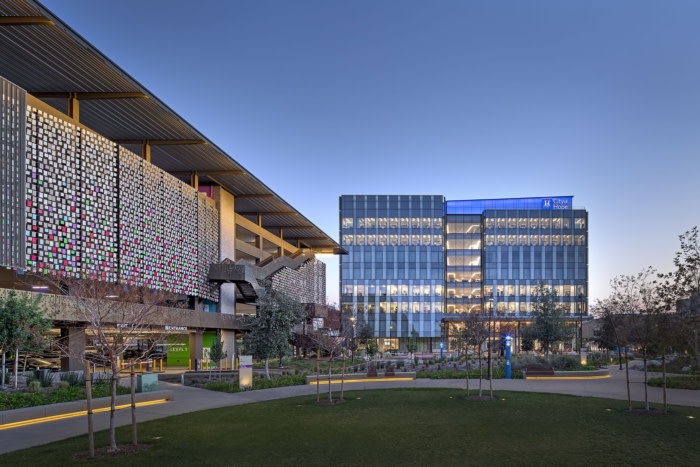
City of Hope – Hope Plaza
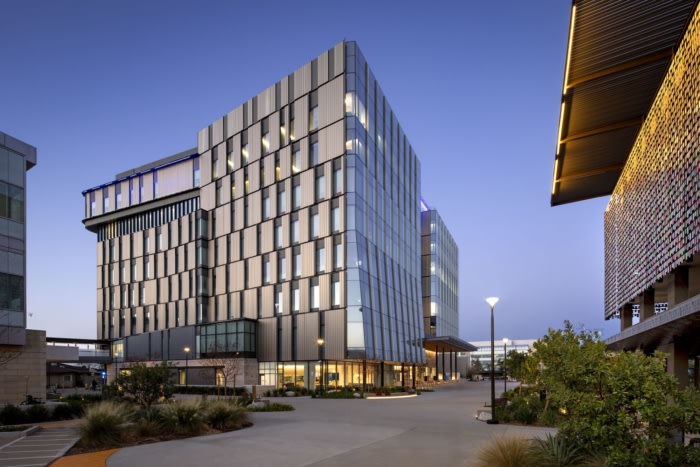
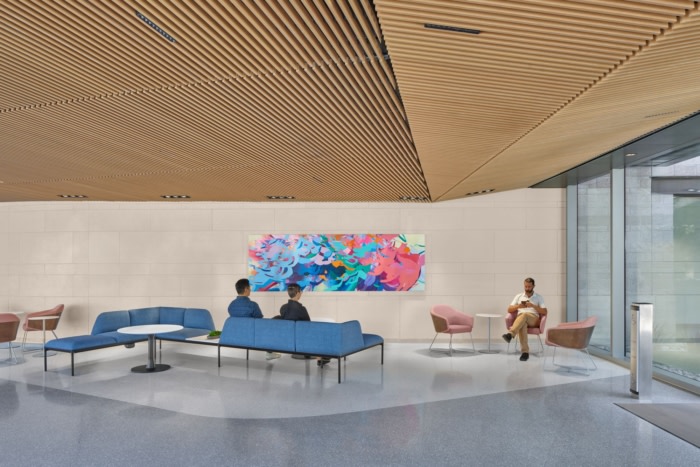
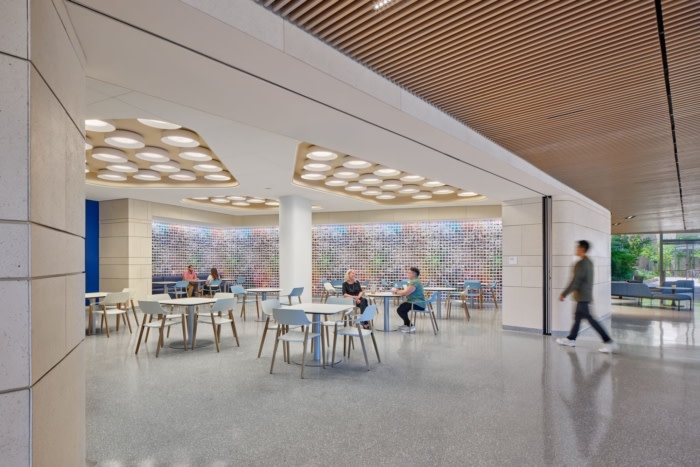
EwingCole’s design for the City of Hope – Hope Plaza in Duarte, California, harmoniously integrates calming interiors with natural elements, creating an uplifting outpatient facility that prioritizes patient-centered care and operational flexibility.
City of Hope, a nationally renowned comprehensive cancer center, set out to create a transformative outpatient facility on its Duarte, California campus—one that would unify services, streamline operations, and elevate the healing experience for patients, families, and staff. Recognized as a top-five cancer hospital by U.S. News & World Report, City of Hope approached the project with a holistic vision: design a space that reflects its patient-first mission, connects to the natural beauty of the San Gabriel Mountains, and supports the next generation of outpatient cancer care.
To achieve this ambitious goal, the institution assembled a collaborative design team, with CO Architects leading the exterior architecture and EwingCole serving as the interior architect and medical planner. Together, the firms designed a building that not only functions as the new front door to the campus but also sets a new benchmark in patient-centered design.
Designing from the Inside Out
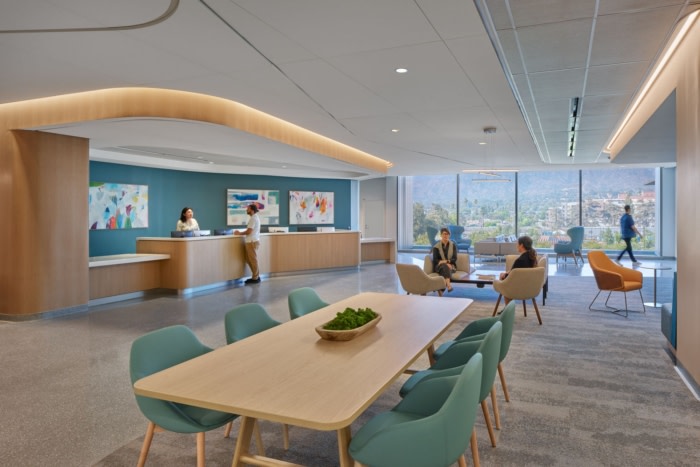
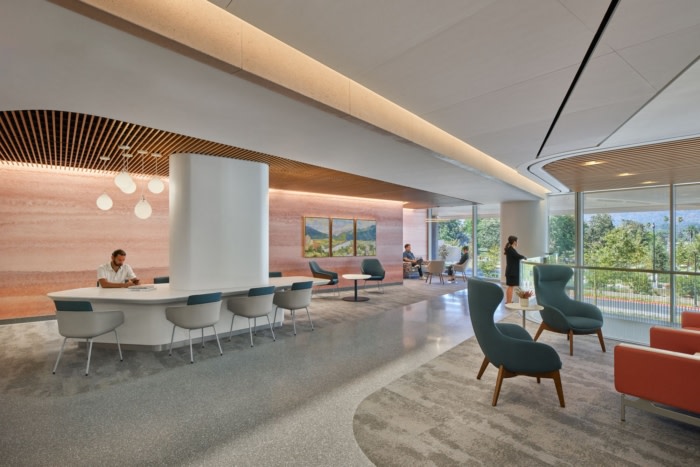
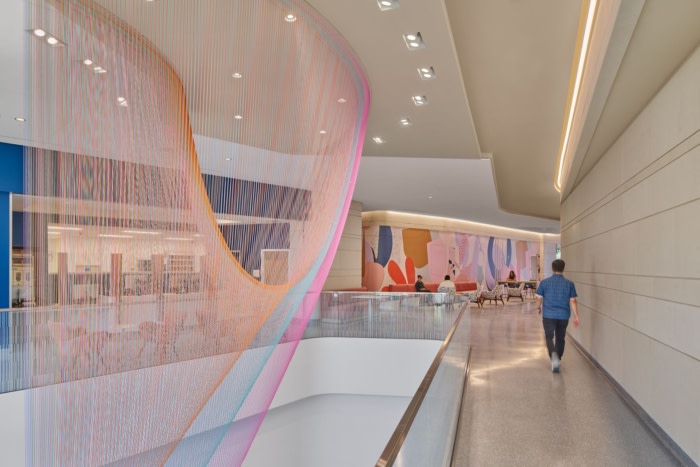
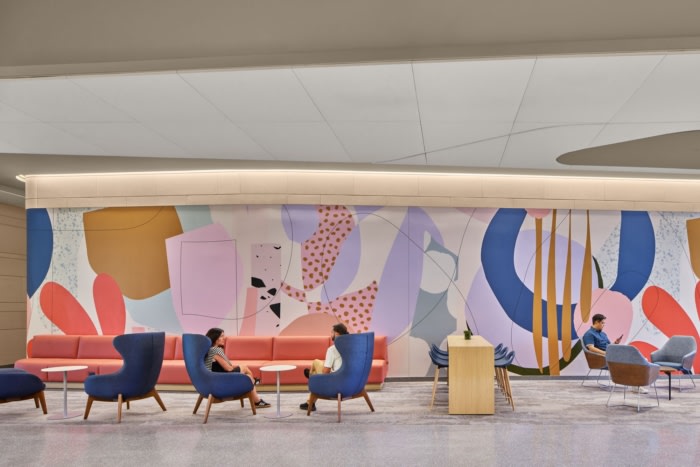
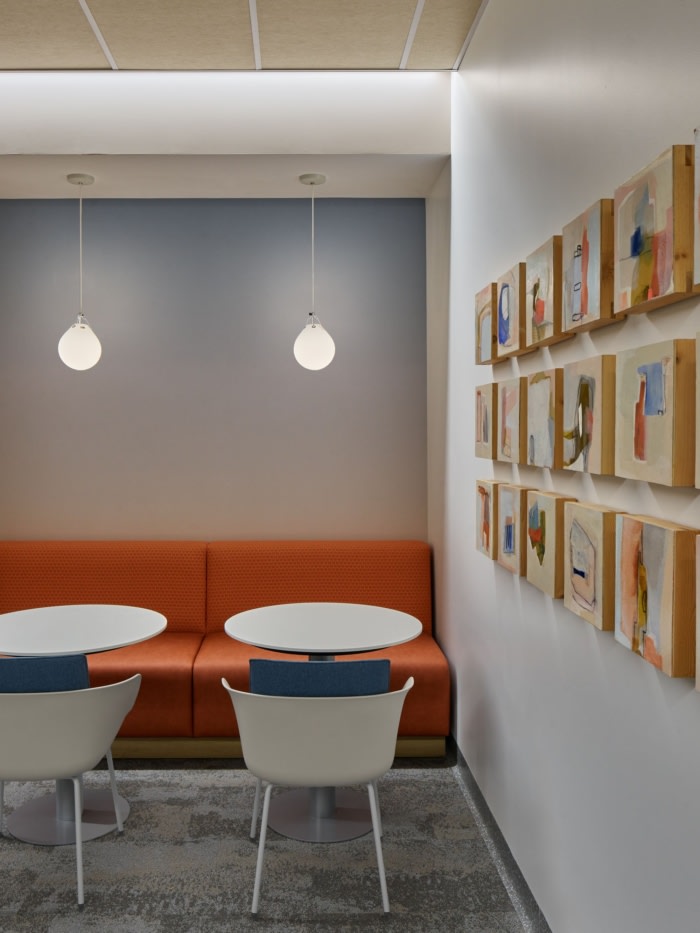
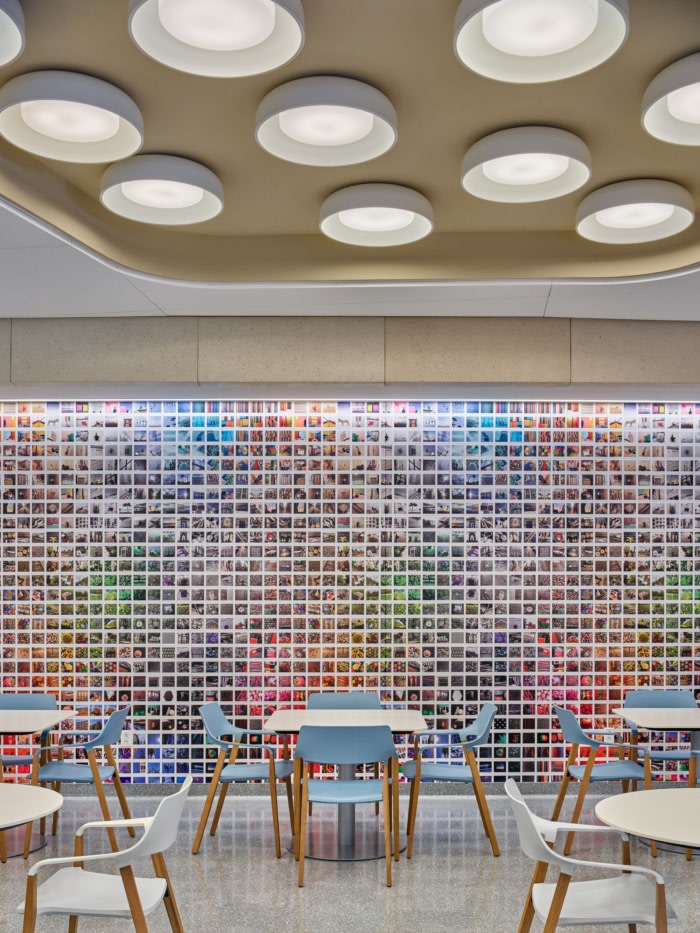
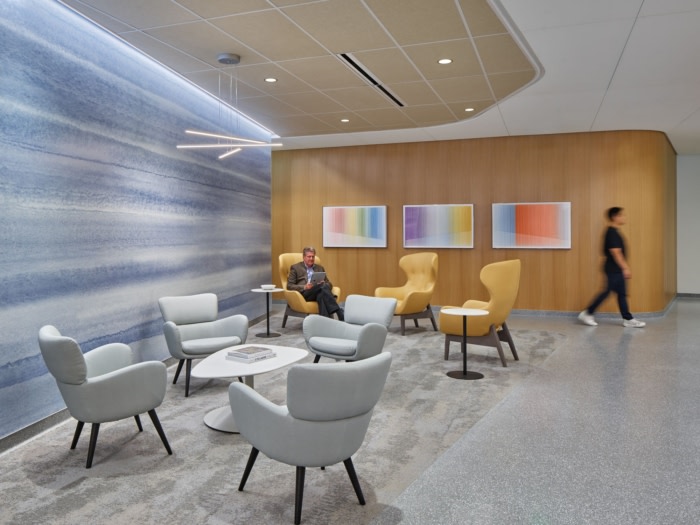
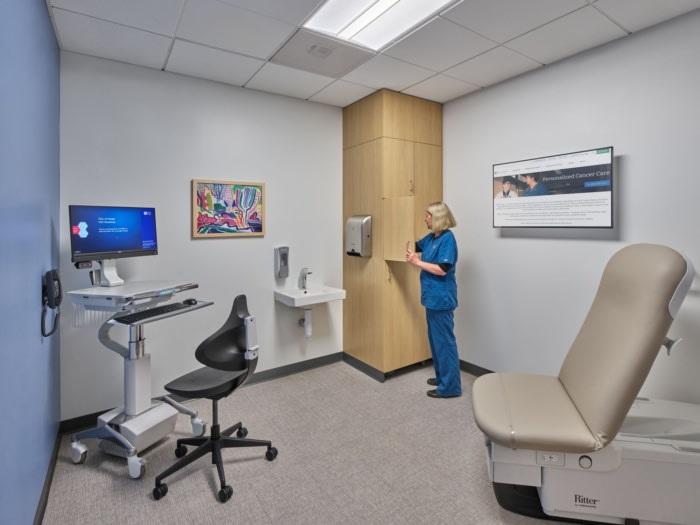
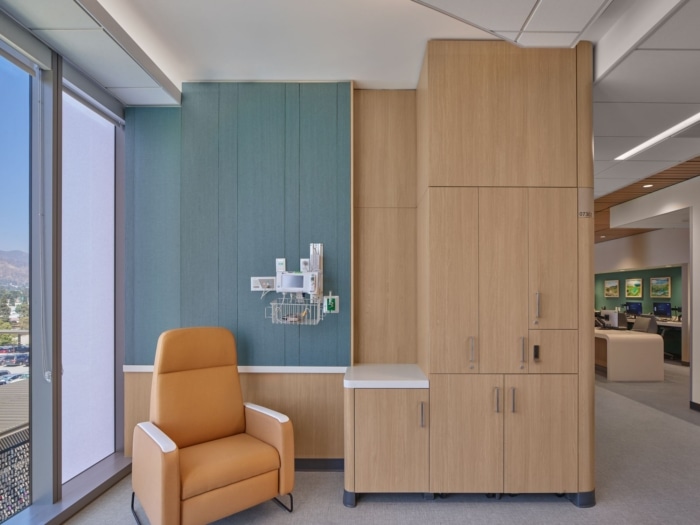
EwingCole’s role as interior architect centered on creating a welcoming, calming, and intuitive interior experience tailored to patients undergoing complex and often emotional cancer treatments. The interior design draws inspiration from the natural environment, including boulder fields and desert tones, as well as seasonal light patterns, to establish a consistent material language that feels timeless and grounded.
A modular planning strategy shapes the facility’s clinical zones, providing a framework that supports operational flexibility and accommodates evolving care delivery models.
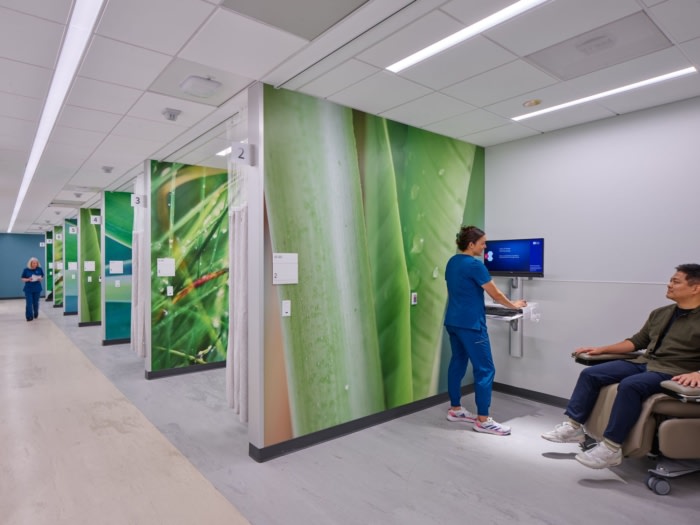
Infusion bays line the upper floors, offering expansive views of the mountains and allowing natural light to support circadian rhythms during extended treatments.
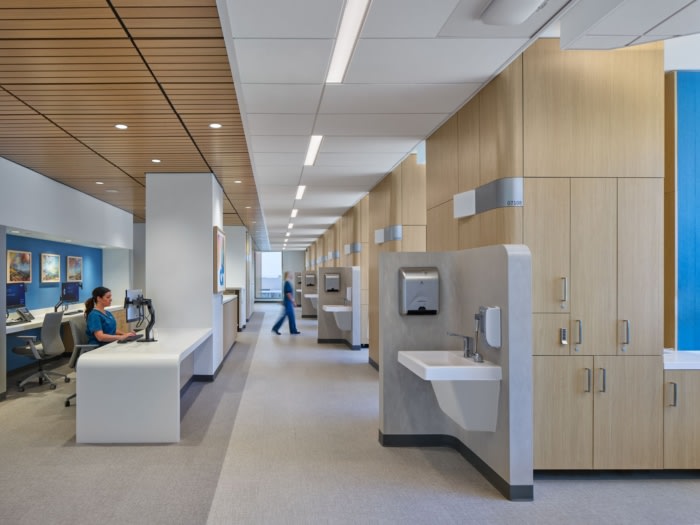
On lower floors, shared staff workspaces are positioned along the perimeter to ensure caregivers also benefit from daylight, which research shows improves focus and well-being.
Design: EwingCole
Design & Executive Architect: CO Architects
Photography: Halkin|Mason Photography, Tom Bonner







Now editing content for LinkedIn.