Health Sciences Centre Women’s Hospital
The Women’s Hospital at Health Sciences Centre, designed by Parkin Architects in collaboration with Architecture49 in Winnipeg, redefines women’s healthcare through a thoughtfully integrated, patient-centered facility that prioritizes comfort and efficiency.
The Women’s Hospital at the Health Sciences Centre in Winnipeg is one of the few freestanding women’s hospitals in Canada, redefining what a dedicated women’s healthcare facility can be.
Designed by Parkin Architects in association with Architecture49, the 388,500-square-foot, 5-storey, LEED-certified hospital was built on a brownfield site and connected to the existing campus by bridge and tunnel. It brings together services that were once spread across multiple buildings into one purpose-built facility, improving both patient care and staff efficiency.
The hospital was designed to support women’s health through every stage of life, from adolescence to end-of-life care. While obstetrical and neonatal services are central to the program, the hospital provides gynecological, surgical, oncological, psychological, and counselling services, creating a comprehensive care environment under one roof.
The design process was deeply research-driven, involving staff and patient flow studies, clinical observations, and extensive consultation with healthcare providers and community organizations. These efforts shaped several key priorities: reducing unnecessary patient movement, increasing access to natural light, improving control over sound and lighting in patient care areas, and centralizing outpatient services for greater efficiency.
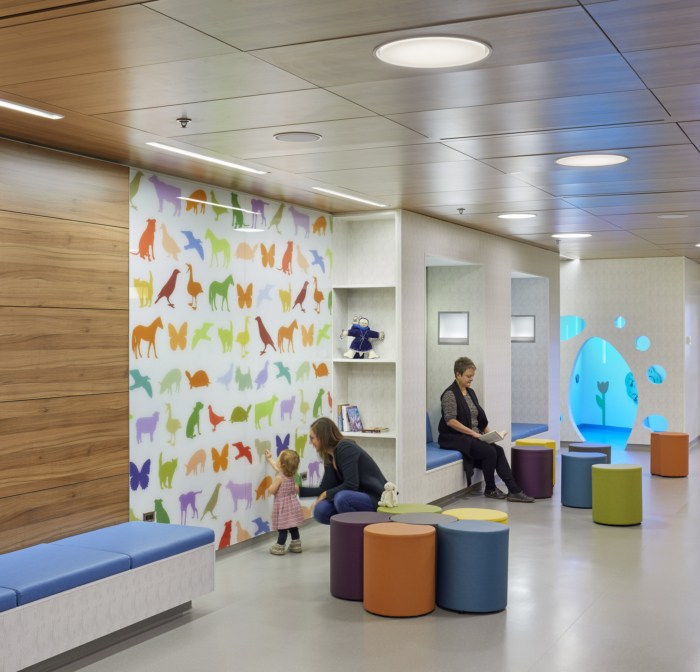
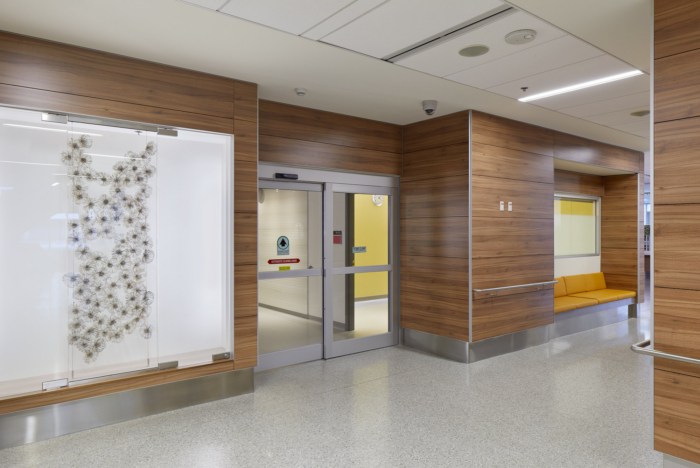
The facility includes inpatient and outpatient gynecology, obstetrics, and two specialized surgical suites: one for operative birthing and one for gynecology surgery. Ambulatory clinics provide comprehensive care for conditions such as post-menopausal bleeding, hormonal imbalances, and endometrial lesions, alongside preventive services including contraception counselling. The four ambulatory clinics are each defined by a different colour and nature logo. They are highlighted this way to improve the privacy of patients so their conditions are not revealed via clinic name. It also helps patients who may have colour or language challenges, to quickly identify their clinic.
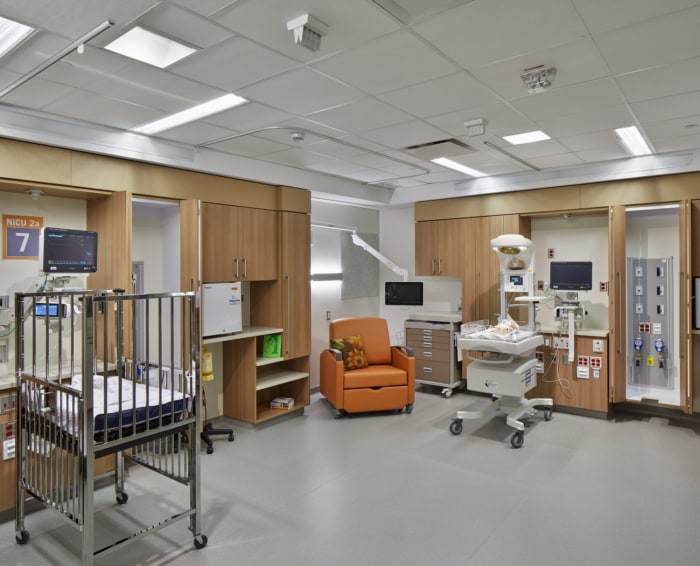
The Neonatal Intensive Care Unit (NICU) is a mixed acuity Level II/III facility located on Level 2, occupying the entire floor and serving as the regional referral centre for Manitoba, Northwestern Ontario, and Nunavut. Specialized teams care for more than 1,400 babies each year, supporting each infant from birth through to discharge.
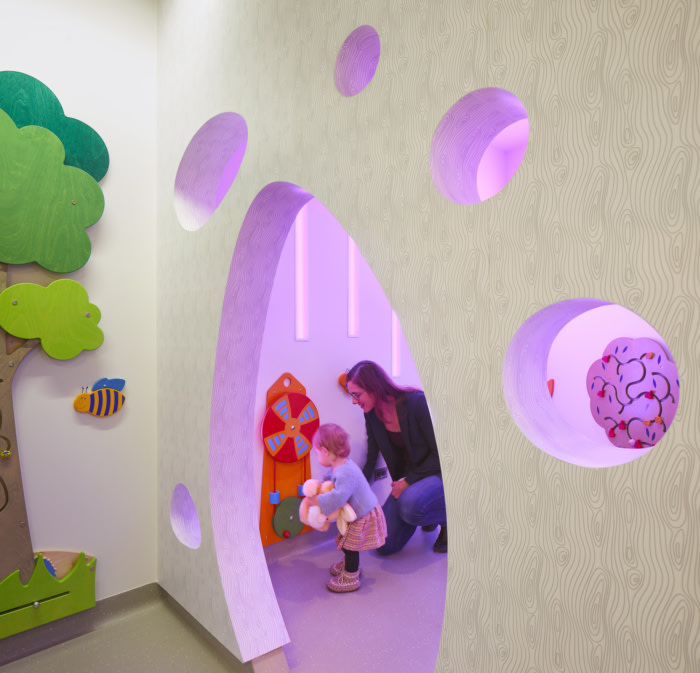
The unit features 60 beds organized into five pods, each surrounding a central medical prep station. Patient rooms are equipped with observation windows and live-feed cameras, and are designed with dedicated family spaces that include pullout sofa beds and breast milk fridges, and nearby showers. An adjacent Family Zone offers lockers, play areas, a kitchen, and a breast pumping room.
At the heart of the NICU’s philosophy is a commitment to family-centered care. Parents are encouraged to be active participants of the care team throughout their newborn’s journey, sharing their insights and perspectives to help guide their baby’s care every step of the way.
HSC Women’s Hospital is fully committed to supporting women at every stage of their reproductive health journey. For those seeking pregnancy options, they will find counselling services, an abortion clinic, and related support available within the facility.
Mental and emotional wellbeing are integrated throughout the hospital’s care model. Outpatient psychology services support women experiencing issues such as perinatal mood disorders, while social work, nutrition counselling, and spiritual care create a multidisciplinary approach that recognizes the connection between physical and emotional health.
Co-locating birthing suites, gynecology programs, inpatient units, surgical services, and the NICU has streamlined workflows and reduced duplication, replacing the fragmented experience of the previous facilities. Standardized clinic modules allow for flexibility and future growth, while dedicated staff corridors and centralized support spaces reduce travel distances and improve operations.
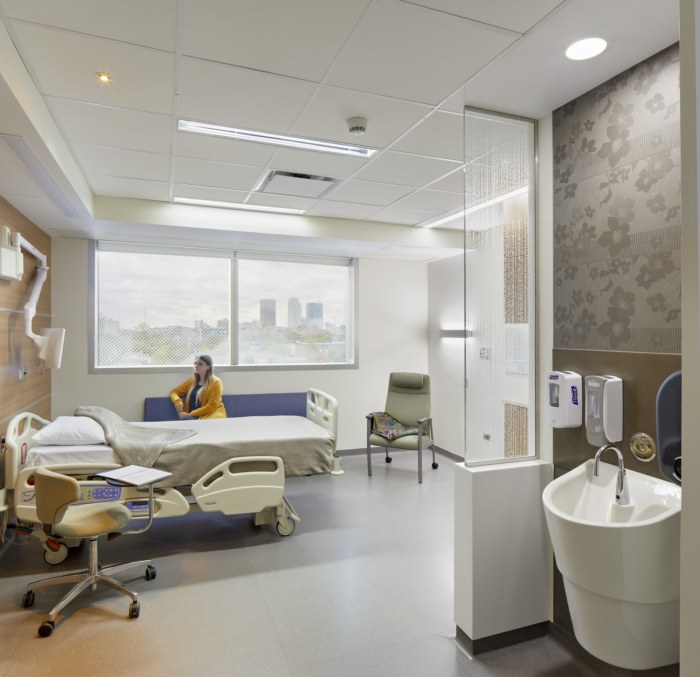
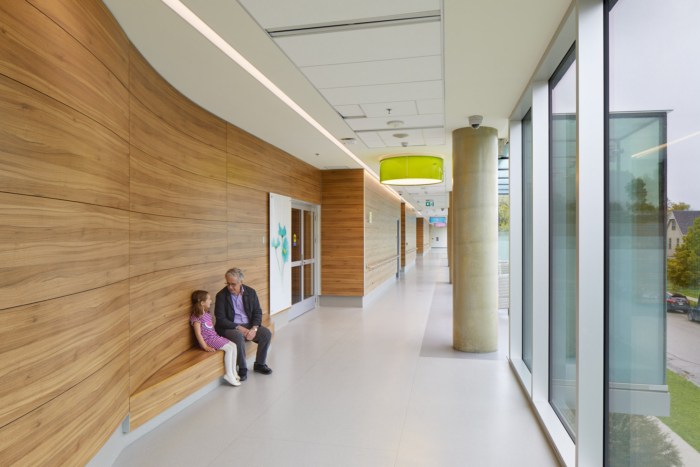
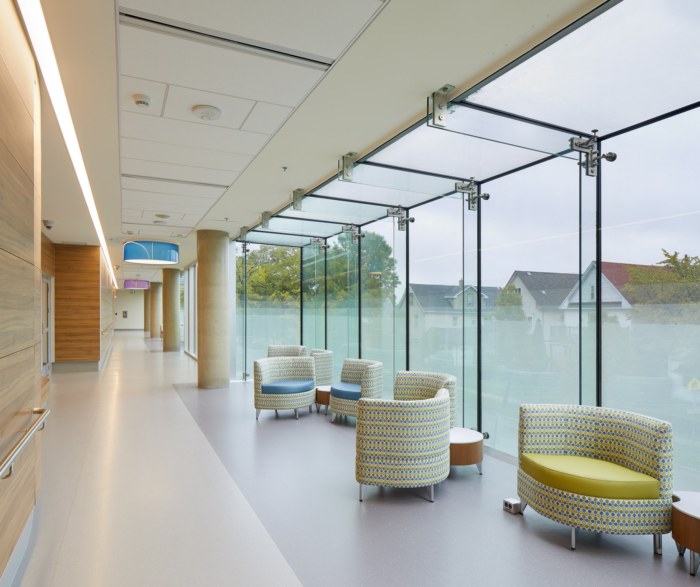
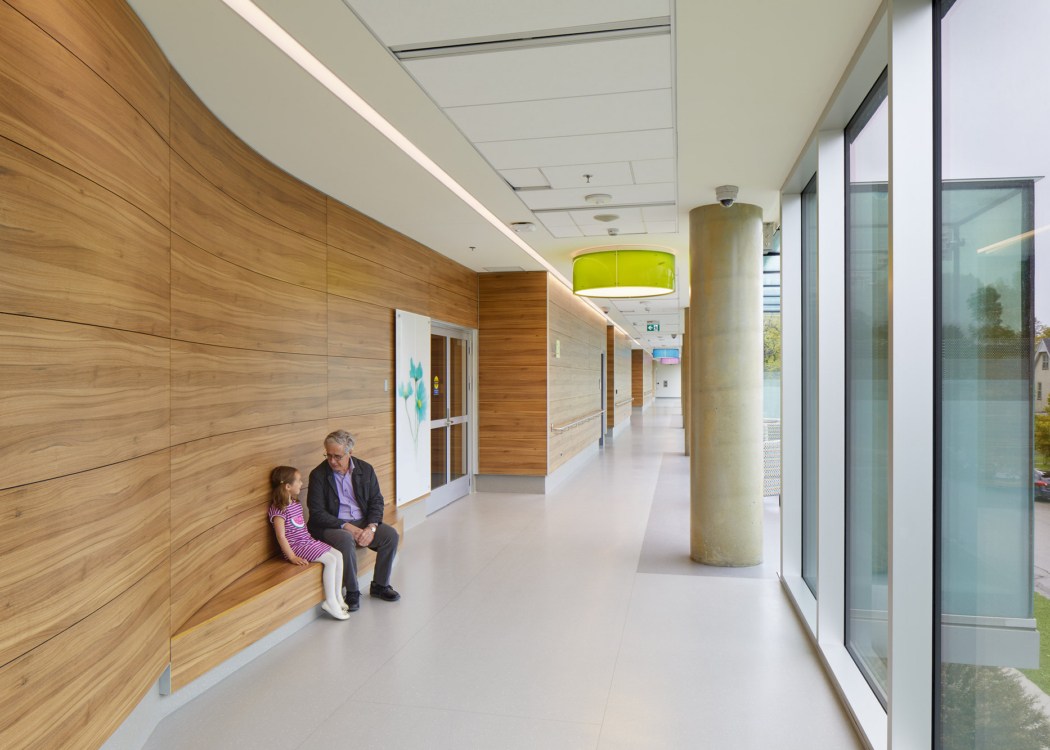
Patient comfort was also a major priority. The hospital was the first in Manitoba to offer all single-patient rooms, designed to accommodate mothers and newborns, families, gynecology patients recovering from surgery, and those receiving end-of-life care. Large windows, a central atrium, roof garden seating areas, and carefully controlled acoustics create a calmer, more supportive environment for patients, families, and staff.
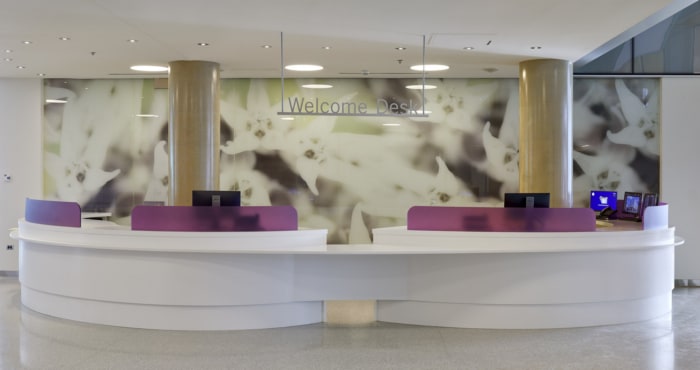
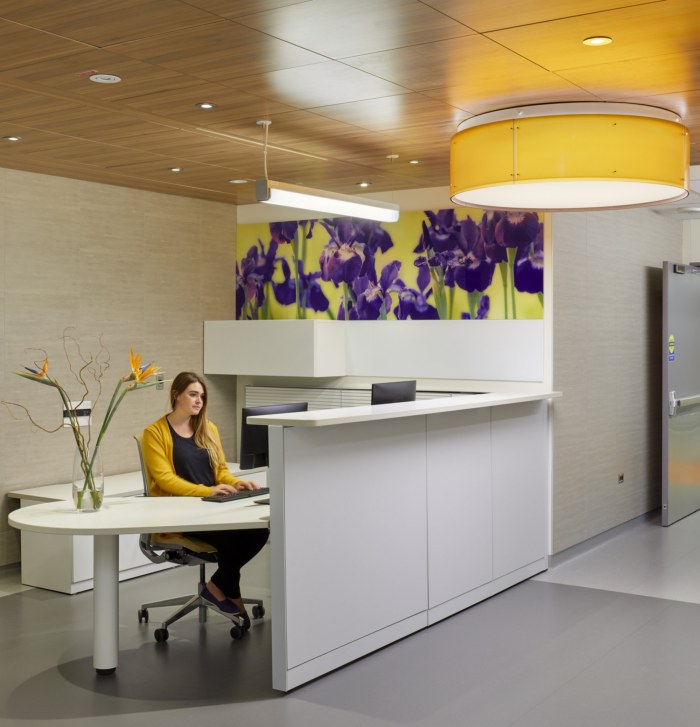
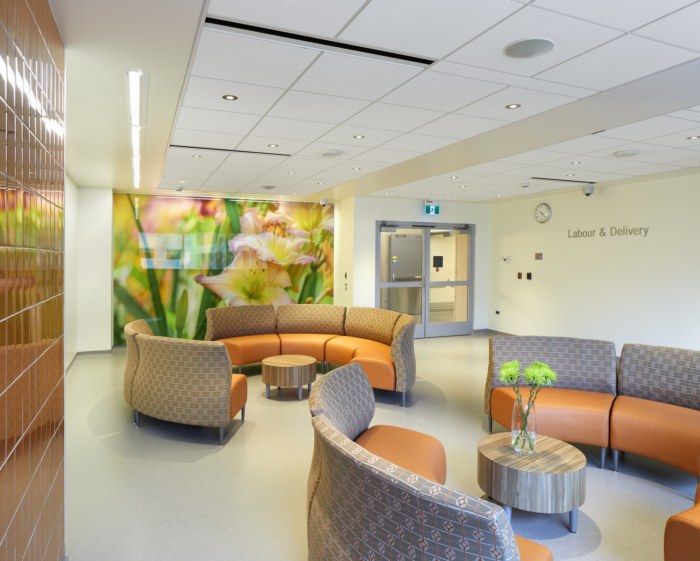
The architects designed the project to reflect a strong connection to its local cultural and environmental context. Through community consultation, the design team developed an interior design theme inspired by Manitoba’s native wildflowers, symbols of growth and life cycles that also resonate with Indigenous communities. This concept reinforces the hospital’s broader commitment to inclusivity and patient-centred care.
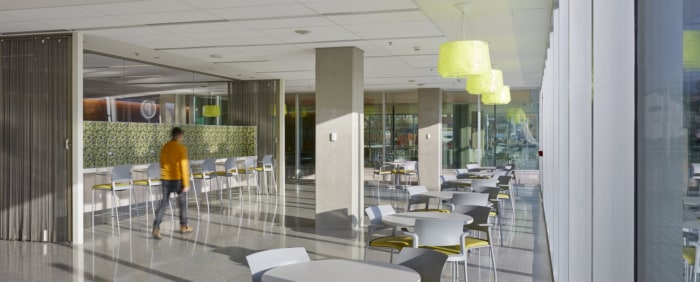
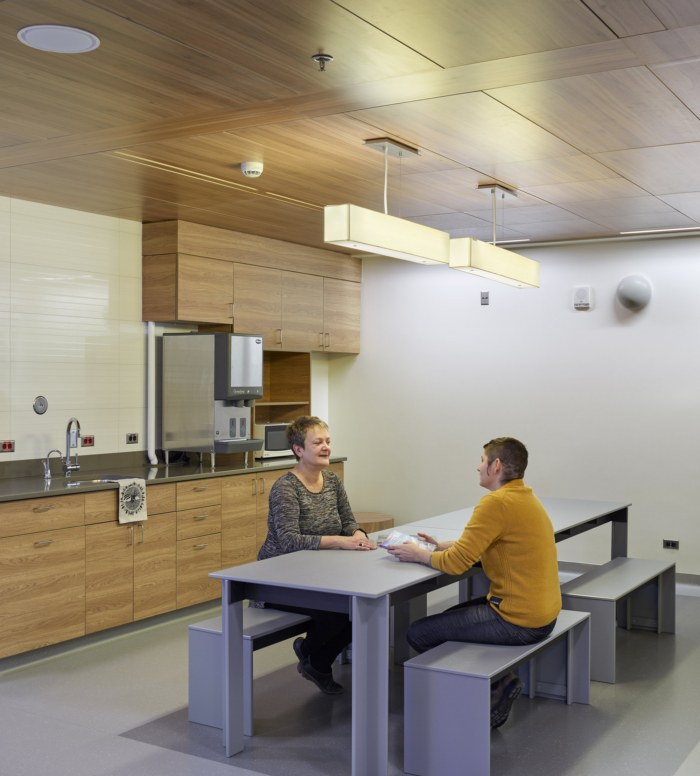
Natural light, access to nature, and staff amenities – including lounges, office and education spaces, and an on-site café – help to create a healthier environment for everyone in the building. Together, the hospital’s flexibility, connectivity, and strong sense of place position it as a hub for integrated women’s healthcare.
The Women’s Hospital improves clinical outcomes, enhances staff workflows, and creates a more compassionate healthcare experience for women, their families, and newborns.
Design: Parkin Architects with Architecture49
Photography: Tom Arban